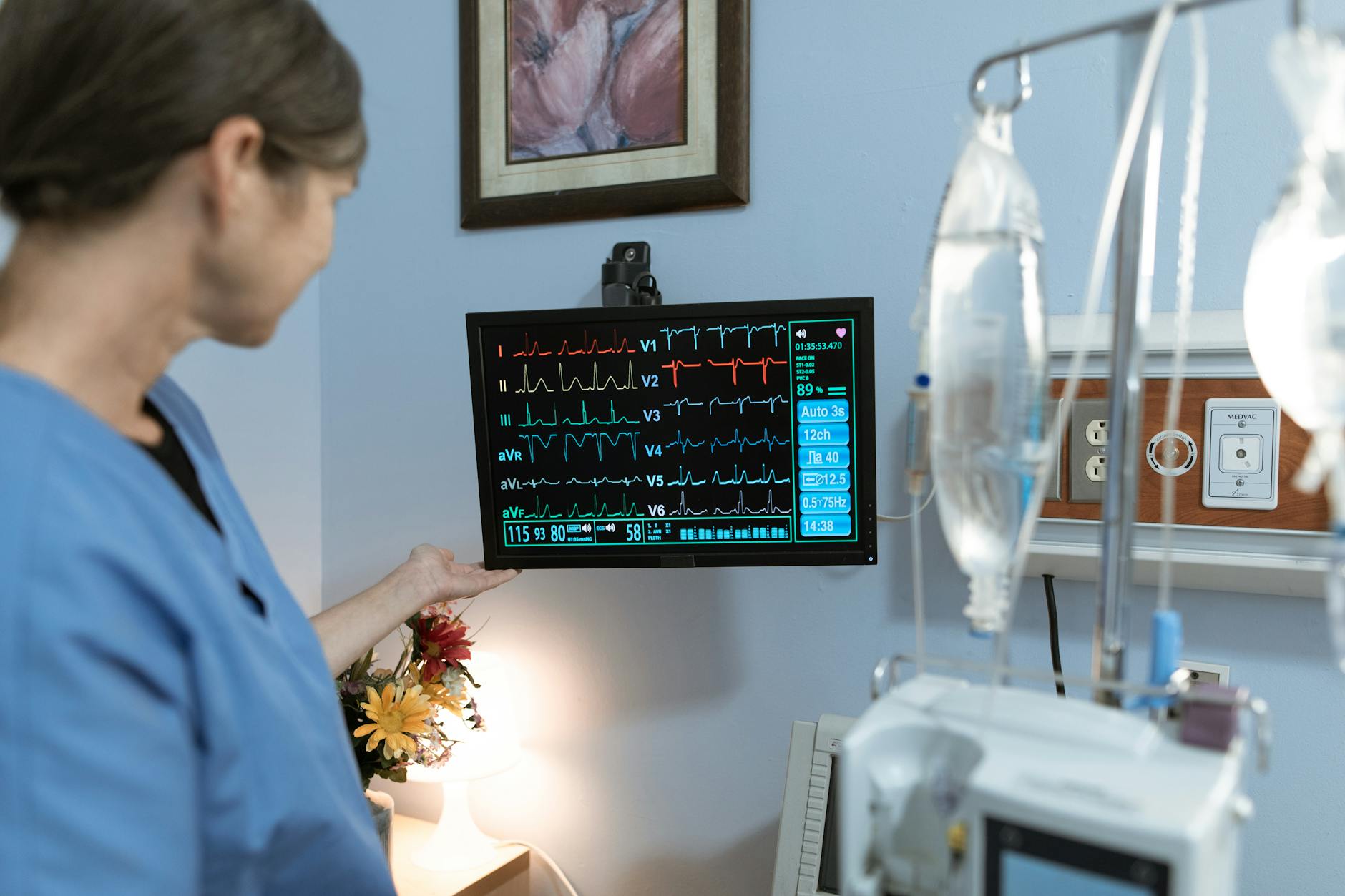
Your heart is one of the most remarkable organs in your body. It beats roughly 60 to 100 times every minute — day and night, without you thinking about it. But sometimes the electrical system that controls this steady rhythm can develop a fault. When that happens, a small device called a pacemaker can step in to keep things on track.
In this article, we explain what a pacemaker is, how it works, who is likely to need one, and what life looks like after having one implanted. Whether you or a loved one has been advised to consider a pacemaker, we hope this helps answer your questions clearly.
How Does the Heart's Electrical System Work?
Think of your heart as having its own built-in power source. A tiny cluster of cells called the sinoatrial (SA) node — often called the heart's natural pacemaker — sits in the upper right chamber of the heart. It sends out a small electrical signal with every heartbeat, telling the heart muscle when to squeeze and pump blood.
This signal travels through a precise pathway — down through the upper chambers (atria), through a relay station called the atrioventricular (AV) node, and then into the lower chambers (ventricles) — causing a coordinated, rhythmic beat.
When any part of this electrical pathway is too slow, blocked, or unreliable, the heart may not pump efficiently. That is where a pacemaker comes in.
What Is a Pacemaker?
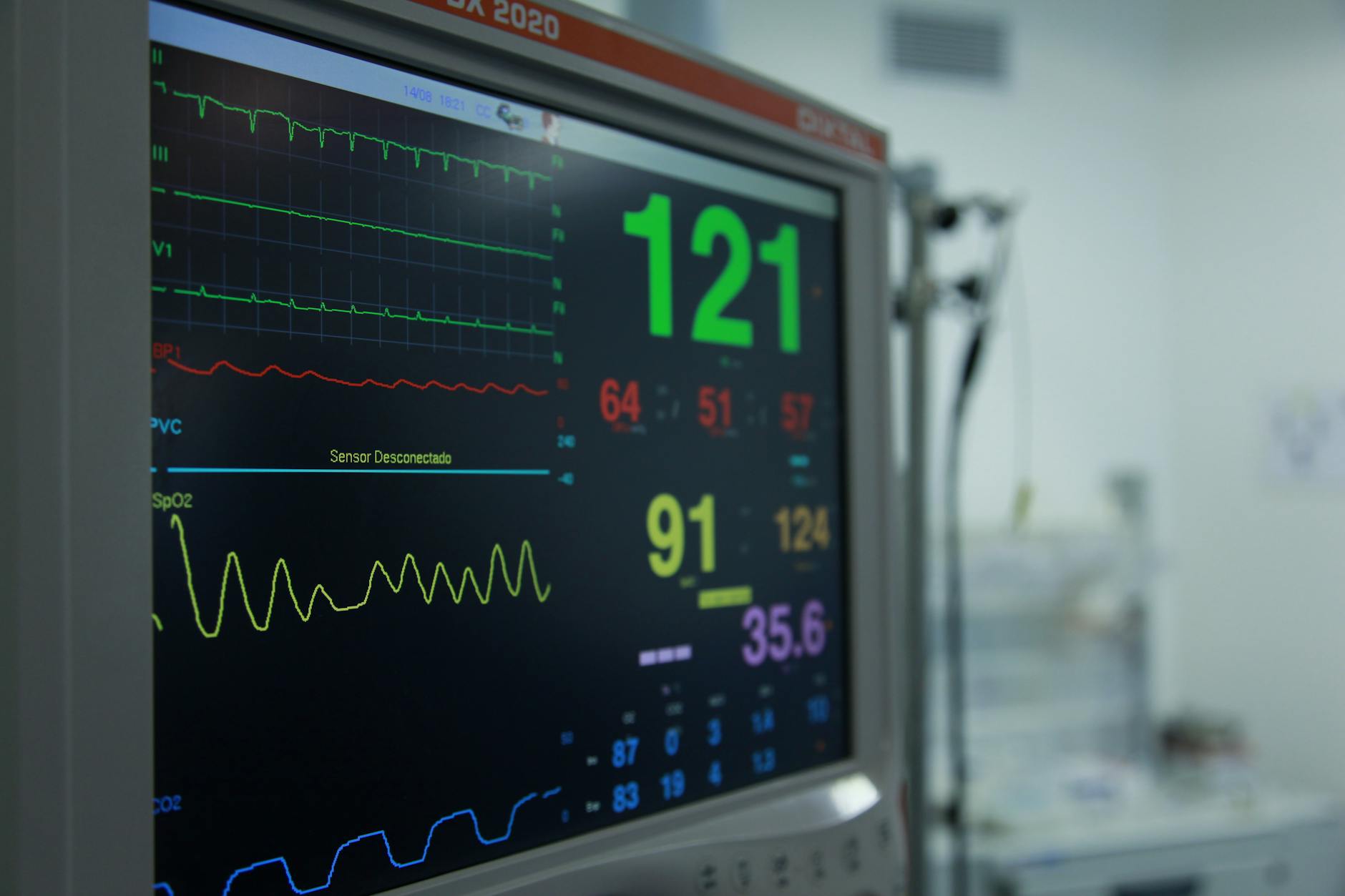
A pacemaker is a small, battery-powered electronic device — roughly the size of a large coin or a matchbox — that monitors your heart rhythm continuously. When it detects that your heart is beating too slowly or has paused unexpectedly, it sends a gentle electrical impulse to prompt the heart to beat at the right pace.
Modern pacemakers are remarkably sophisticated. They are:
- Demand pacemakers – they only fire when needed; they stay quiet when your heart is beating normally on its own.
- Rate-responsive – they can speed up during physical activity (like walking or climbing stairs) and slow down when you are at rest.
- Wirelessly monitored – many newer models can transmit data to your cardiologist remotely, so your heart rhythm can be reviewed without you leaving home.
A standard pacemaker has two main parts: the pulse generator (the metal casing that holds the battery and computer) and one or more leads (thin, flexible wires that connect the device to the heart wall). In newer leadless pacemakers, the entire device is implanted directly inside the heart — no wires required.
Who Needs a Pacemaker?
Not everyone with a heart condition needs a pacemaker. Your cardiologist will recommend one only after a careful assessment that includes your symptoms, an ECG, a Holter monitor test (which records your heart rhythm over 24–48 hours), and sometimes other tests.
The most common reasons a pacemaker is recommended include:
1. Bradycardia (Slow Heart Rate)
This is the most frequent reason. A resting heart rate that regularly falls below 40–50 beats per minute — especially when it causes symptoms — is called symptomatic bradycardia. Symptoms can include dizziness, fainting (syncope), extreme fatigue, shortness of breath, or confusion.
For example, a 65-year-old might visit their doctor after repeated episodes of feeling faint while climbing stairs. A Holter monitor could reveal that the heart rate is dropping to 30 beats per minute during these episodes — a clear indication for a pacemaker.
2. Heart Block
In heart block, the electrical signal from the upper chambers is partially or completely unable to reach the lower chambers. This creates dangerous delays or pauses in the heartbeat. There are three degrees:
- First-degree block – usually monitored, rarely needs a pacemaker.
- Second-degree block – may need a pacemaker depending on the type and symptoms.
- Third-degree (complete) heart block – almost always requires a pacemaker, as the upper and lower chambers beat independently and inefficiently.
3. Sick Sinus Syndrome
The SA node — the heart's natural pacemaker — can become unreliable with age or disease, sometimes beating too slowly, sometimes too fast, with unpredictable pauses in between. This condition, called sick sinus syndrome, is a common reason for pacemaker implantation, particularly in older adults.
4. After Certain Heart Surgeries or a Heart Attack
Sometimes, the heart's electrical system is damaged during a heart attack or a cardiac surgical procedure, leading to a new conduction problem that requires pacing support.
5. Heart Failure (Specialised Pacemakers)
In some patients with heart failure, the two lower chambers beat out of sync with each other. A special type of device called a cardiac resynchronisation therapy (CRT) pacemaker can coordinate both ventricles to beat together, improving the heart's pumping efficiency. This can significantly reduce symptoms like breathlessness and fatigue.

What Happens During Pacemaker Implantation?
Pacemaker implantation is a well-established cardiac procedure performed under local anaesthesia with sedation — so you are relaxed and comfortable throughout. General anaesthesia is generally not required.
Here is a simple overview of what typically happens:
- A small area below the collarbone (usually on the left side) is cleaned and numbed.
- The lead or leads are passed through a vein into the heart and carefully positioned under X-ray guidance.
- The pulse generator is placed in a small pocket just beneath the skin.
- The wound is closed with a few stitches and a dressing is applied.
Most patients are observed for one or two nights and can return home soon after. The procedure typically takes between 1 and 2 hours. In Rajkot and across India, pacemaker implantation is now routinely performed in well-equipped cardiac catheterisation laboratories (cath labs) with experienced teams.
Life After a Pacemaker
Many people are pleasantly surprised by how quickly they feel better after a pacemaker is implanted. Symptoms like dizziness, fainting, and extreme fatigue often improve noticeably within days as the heart begins pumping with a reliable rhythm.
Key things to know about living with a pacemaker:
- Regular follow-up is important. Your cardiologist will check the device periodically — usually every 6 to 12 months — to assess battery life and ensure the settings are right for you.
- Battery life is long. Most pacemaker batteries last between 7 and 15 years, depending on how much the device is used. When the battery nears the end of its life, the pulse generator is replaced in a straightforward procedure.
- Most everyday activities are safe. Walking, light exercise, cooking, travelling, and social activities are generally fine. Your cardiologist will guide you on specific restrictions.
- Mobile phones and household appliances are generally safe. Modern pacemakers are well-shielded. Simple precautions — like keeping your phone away from the device pocket — are usually sufficient.
- Always carry your pacemaker ID card. This card shows the device make, model, and settings, which is important when visiting any doctor, dentist, or if you need an MRI scan (many modern pacemakers are now MRI-compatible).
Key Takeaways
- A pacemaker is a small battery-powered device that corrects a heart rate that is too slow or irregular by delivering gentle electrical impulses.
- The most common reasons for needing one are bradycardia, heart block, and sick sinus syndrome.
- Implantation is a well-established, routinely performed cardiac procedure done under local anaesthesia — not open-heart surgery.
- Most people notice a significant improvement in symptoms and quality of life after receiving a pacemaker.
- Regular follow-up with your cardiologist ensures the device continues to work well for you.
- Living with a pacemaker is manageable for the vast majority of patients, with few lifestyle restrictions.
Frequently Asked Questions
See the FAQ section below for answers to common questions about pacemakers.
If you have been experiencing symptoms like unexplained dizziness, fainting, unusual fatigue, or have been told you have a slow heart rate, it is worth speaking with a qualified cardiologist. Dr. Nikhila Pachani's cardiology clinic in Rajkot, Gujarat, offers comprehensive heart rhythm evaluation and pacemaker services. We encourage you to book a consultation so you can get the clarity and care you deserve.
Frequently asked questions
- Is pacemaker implantation a major surgery?
- No, pacemaker implantation is not open-heart surgery. It is a well-established cardiac procedure performed under local anaesthesia with sedation. Most patients are observed for one to two nights and return home soon after. It is far less invasive than heart bypass surgery.
- Will I feel the pacemaker working inside me?
- Most people do not feel the electrical impulses from a pacemaker. You may notice a small, firm lump under the skin near the collarbone where the device sits, but this generally causes no discomfort after the initial healing period.
- Can I exercise and travel normally with a pacemaker?
- Yes, in most cases. Walking, light to moderate exercise, travel, and normal daily activities are generally well-tolerated. Your cardiologist will give you personalised guidance based on your specific condition and the type of device you have.
- How long does a pacemaker battery last?
- Most pacemaker batteries last between 7 and 15 years, depending on how often the device needs to pace your heart. When the battery runs low, the pulse generator is replaced in a straightforward procedure — the leads are usually kept in place.