
Walking In with Confidence: Your First Cardiologist Visit
It is completely normal to feel a little nervous before your first cardiologist visit. Perhaps your family doctor noticed something on a routine check, or you have been experiencing chest discomfort, breathlessness, or palpitations. Whatever brought you here, taking this step is a sign that you are taking your heart health seriously — and that is worth celebrating.
This guide walks you through everything that happens at a first cardiology appointment, so there are no surprises and no unnecessary worry.
Why You Have Been Referred to a Cardiologist
A cardiologist is a doctor who specialises in the health of your heart and blood vessels. Your family physician may refer you for many reasons:
- Chest pain or tightness, especially during activity or at rest
- Shortness of breath that feels unusual for your fitness level
- Palpitations — a fluttering, racing, or skipping sensation in your chest
- High blood pressure that needs specialist review
- Abnormal ECG or blood test results flagged at a routine check
- A family history of heart disease, diabetes, or stroke
- Dizziness or fainting spells
Being referred does not mean you have a serious condition. Many patients leave their first appointment with reassurance and simple lifestyle advice. The visit is about finding answers, not creating fear.
Before You Arrive: How to Prepare
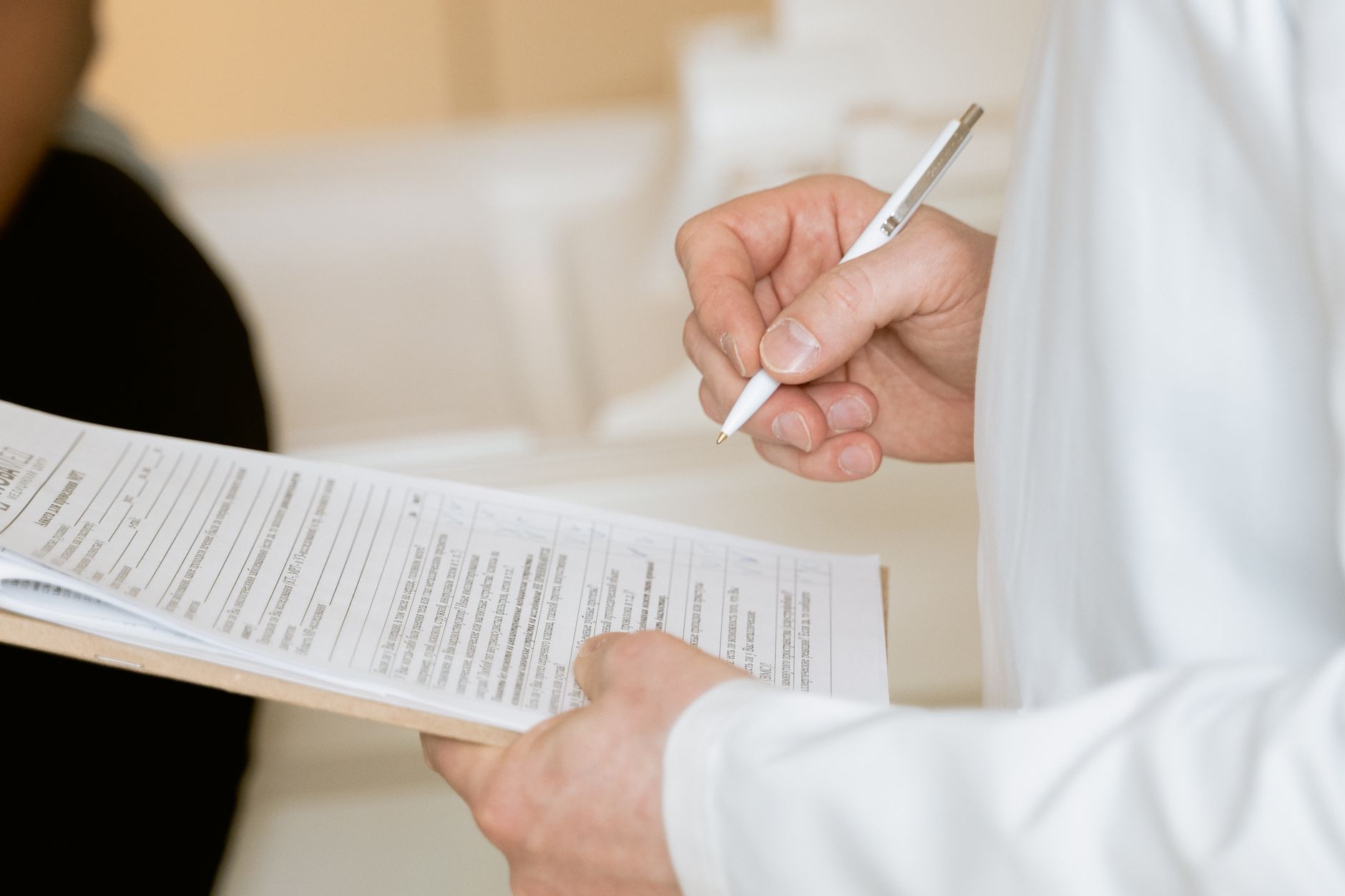
A little preparation makes a big difference. Here is what to bring and do before your appointment.
Documents and Records to Carry
- Any previous ECG reports, echocardiography reports, or blood test results
- A list of all medicines you currently take (including over-the-counter tablets and supplements)
- Your blood pressure diary, if you have been monitoring at home
- Referral letter from your family doctor, if you have one
Write Down Your Symptoms
Think about your symptoms before you arrive. Note:
- When the symptom started
- How often it happens
- What triggers it (exercise, stress, eating, rest)
- How long each episode lasts
- What makes it better or worse
The more specific you can be, the more helpful it is for your cardiologist to understand your situation.
Lifestyle Details Matter
Be ready to share honest information about your diet, physical activity, smoking or tobacco use, alcohol intake, and sleep patterns. There is no judgement — this information simply helps build a complete picture of your heart health.
What Happens During the Appointment
A first cardiology appointment typically lasts 30–45 minutes. Here is a step-by-step picture of what to expect.
1. Medical History Discussion
Your cardiologist will begin by asking about your current symptoms, past medical conditions (such as diabetes or kidney disease), previous surgeries or hospitalisations, and your family's heart history. This conversation is the foundation of your care.
2. Physical Examination
A thorough physical examination follows. Your cardiologist will:
- Check your blood pressure in both arms
- Measure your heart rate and rhythm
- Listen to your heart with a stethoscope for any unusual sounds
- Check for swelling in your ankles or legs (which can signal fluid retention)
- Examine your neck veins and feel your pulse at different points
This examination is comfortable and non-invasive.
3. An ECG (Electrocardiogram)
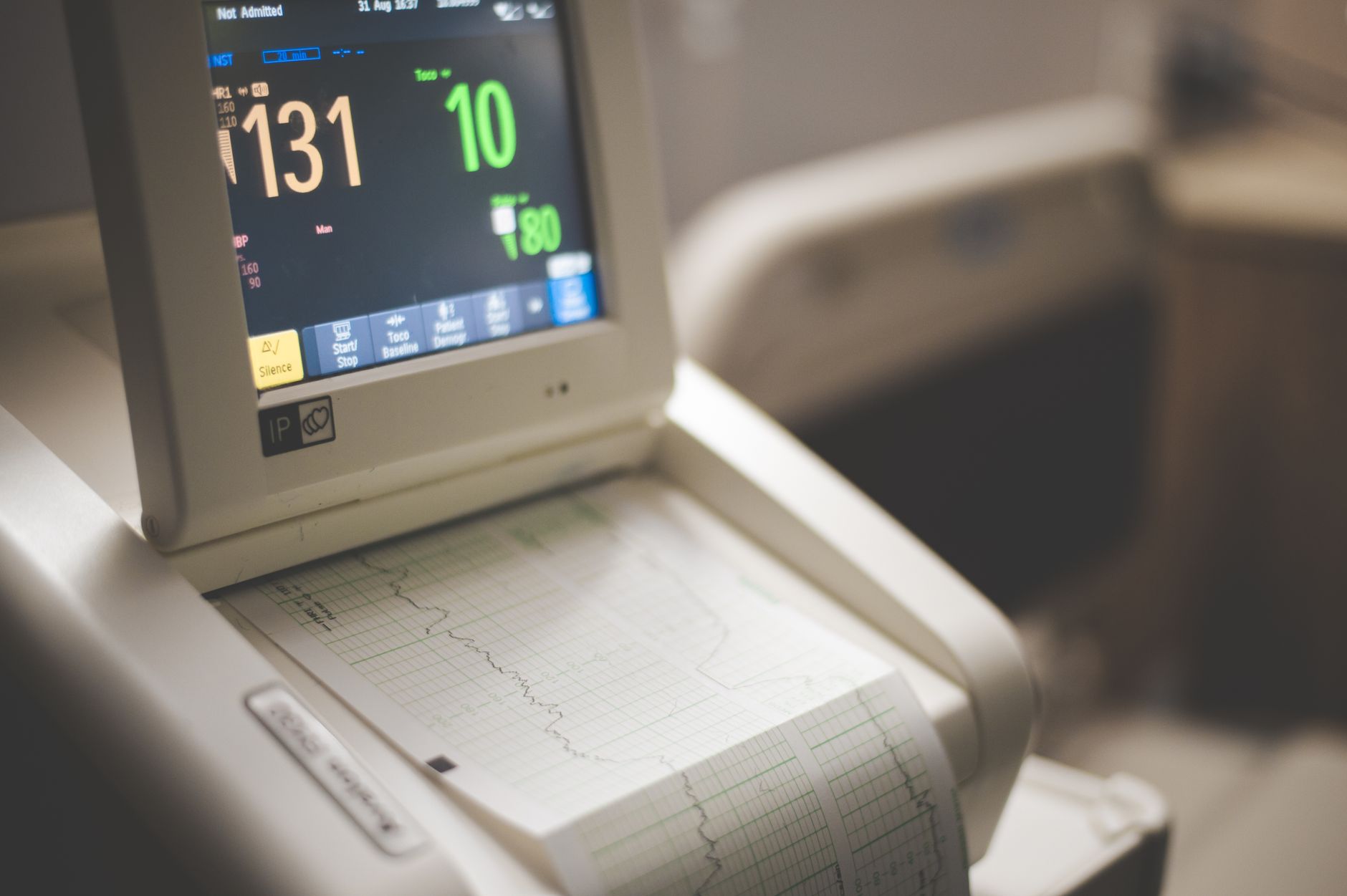
An ECG is almost always performed at a first cardiology visit. Small adhesive stickers are placed on your chest, arms, and legs. These stickers pick up the electrical signals of your heart and print them as a trace on paper. The test takes less than five minutes and is completely non-invasive. It gives your cardiologist a great deal of information about your heart's rhythm and electrical activity.
4. Further Tests — If Needed
Based on your history and ECG, your cardiologist may recommend one or more of the following:
- Echocardiogram (Echo): An ultrasound scan of the heart. It shows the heart's structure, size, and pumping function. Think of it like an ultrasound during pregnancy — the same type of sound-wave technology, just focused on the heart.
- Treadmill Test (TMT) / Stress Test: You walk on a treadmill while your heart is monitored. This checks how your heart responds to physical effort.
- Holter Monitor: A small portable ECG device you wear for 24–48 hours to capture your heart rhythm during daily activities.
- Blood Tests: To check cholesterol, blood sugar, thyroid function, kidney function, and specific heart markers.
Not every patient needs all these tests. Your cardiologist will only recommend what is appropriate for your situation.
Understanding Your Results

Once all information is gathered, your cardiologist will explain the findings clearly. At a practice like Dr. Nikhila Pachani's in Rajkot, the goal is always to make sure patients leave the consultation with a clear understanding of:
- What has been found (or ruled out)
- What the next steps are — whether that is lifestyle changes, medication, further tests, or simply a follow-up in a few months
- Any warning signs to watch for at home
Do not hesitate to ask questions. If something is unclear, ask your cardiologist to explain it differently. Good communication is at the heart of good cardiac care.
Questions Worth Asking
Here are a few questions you might consider asking during your visit:
- "What is the most likely cause of my symptoms?"
- "Which of my habits are most important to change for my heart health?"
- "If you are prescribing medication, what does it do and are there side effects I should know about?"
- "When should I come back, and what symptoms should prompt me to come sooner?"
Common Feelings After Your First Visit
It is normal to feel a mix of relief, information overload, and perhaps some anxiety after a first appointment. Here is how to process it well:
- Write down what the doctor told you as soon as you leave, or bring a family member who can help you remember key points.
- Take your prescribed medicines regularly and do not stop them without speaking to your cardiologist first.
- Follow up on recommended tests promptly — early information leads to earlier action if needed.
- Ask for a printed summary of your visit findings and plan, wherever possible.
A Note for Patients Coming from Across Saurashtra and Gujarat
Many patients travelling to Rajkot for a cardiology consultation come from smaller towns and villages in Saurashtra and other parts of Gujarat. If this is the case for you, consider scheduling your appointment in the morning so that any same-day tests can be completed without a repeat trip. Carrying all your previous records — even older ones — can save time and help your cardiologist piece together your full heart health story.
Key Takeaways
- A first cardiologist visit is a calm, structured conversation — not a frightening procedure.
- Bring your medical records, medicines list, and a written note of your symptoms.
- Expect a history discussion, physical examination, and an ECG as a minimum.
- Further tests like an echo or stress test may be suggested based on your individual situation.
- Ask questions freely — understanding your heart health is your right.
- Follow-up and consistency are the foundations of good heart care.
If you have been putting off your first cardiologist visit, consider this your gentle nudge. Early evaluation can catch small concerns before they grow. To book a consultation with Dr. Nikhila Pachani, Consultant Interventional Cardiologist in Rajkot, reach out to our clinic — your heart deserves timely, expert attention.
Frequently asked questions
- What should I bring to my first cardiologist visit?
- Bring any previous ECG or echo reports, blood test results, a list of all current medicines (including supplements), your blood pressure diary if you maintain one, and a written note of your symptoms including when they started and what triggers them.
- Will I need tests on the same day as my first cardiology appointment?
- Most first cardiology appointments include an ECG on the same day. Your cardiologist may also recommend an echocardiogram, blood tests, or a stress test depending on your symptoms and history. Some of these can often be done on the same visit, while others may be scheduled separately.
- Does being referred to a cardiologist mean I have a serious heart problem?
- Not at all. Many patients are referred for evaluation of symptoms or as a precaution due to family history or abnormal routine tests. A significant number leave their first appointment with reassurance and straightforward lifestyle advice. The visit is about getting answers, not confirming a problem.
- How long does a first cardiologist appointment usually take?
- A first cardiology consultation typically takes around 30 to 45 minutes, including the medical history discussion, physical examination, and an ECG. If additional tests are done on the same day, allow a little extra time.