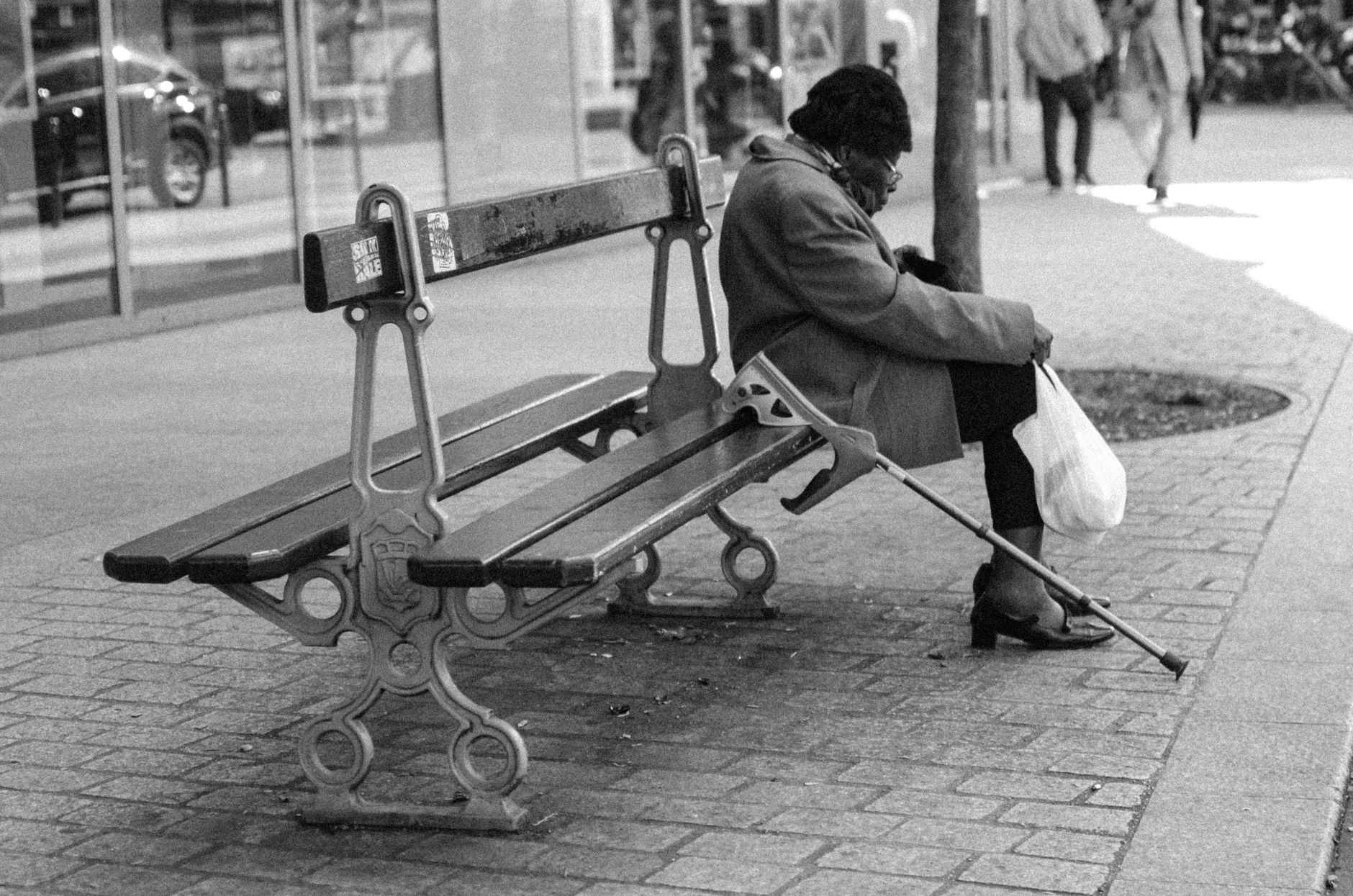
We all get a little short of breath after climbing a steep staircase or rushing for a bus. That is completely normal. But what if you feel breathless after just walking across the room? What if you wake up at night gasping for air, or feel winded doing something that used to be easy? This kind of breathlessness — the kind that feels out of proportion — can be your body quietly signalling that your heart needs attention.
Understanding the link between breathlessness and heart health is one of the most important things you can do for yourself and the people you love.
Why Does the Heart Cause Breathlessness?
Your heart and lungs work as a team. The heart pumps blood, the lungs fill that blood with oxygen, and together they keep every cell in your body nourished. When the heart is not pumping efficiently, fluid can build up in and around the lungs. This makes the lungs stiffer and harder to expand — and that is what creates the sensation of breathlessness.
In cardiology, this is often described as cardiac breathlessness or dyspnoea of cardiac origin. It is one of the most common reasons people visit a cardiologist in cities like Rajkot and across India.
Heart Conditions That Commonly Cause Breathlessness
Several heart-related conditions can lead to breathlessness. Here are the most important ones:
1. Heart Failure
Heart failure does not mean the heart has stopped. It means the heart is not pumping as strongly as it should. Fluid backs up into the lungs, causing congestion and breathlessness — especially during physical activity or when lying flat.
2. Coronary Artery Disease (CAD)
When the arteries supplying the heart become narrowed or blocked, the heart muscle does not get enough blood. This can cause chest discomfort and breathlessness, particularly during exertion. In some people — especially those with diabetes — breathlessness may be the only symptom of a heart attack, with no chest pain at all.
3. Heart Valve Problems
The heart has four valves that control blood flow. If a valve becomes narrowed (stenosis) or leaky (regurgitation), the heart has to work much harder. Over time, this extra strain shows up as breathlessness, fatigue, and sometimes swelling in the feet and ankles.
4. Arrhythmias (Irregular Heartbeat)
An abnormal heart rhythm — too fast, too slow, or irregular — can reduce the heart's pumping efficiency. Many people with atrial fibrillation (AF), one of the most common arrhythmias, describe a fluttering in the chest paired with sudden breathlessness.
5. Cardiomyopathy
This is a disease of the heart muscle itself, making it thickened, enlarged, or rigid. It can affect people of any age and often presents with progressive breathlessness on exertion.
Recognising the Warning Signs
Not all breathlessness is cardiac. Asthma, anaemia, anxiety, and lung infections can also cause it. However, certain patterns are more closely linked to a heart problem. Speak to a doctor promptly if you notice:
- Breathlessness during mild activity that did not bother you before (e.g., walking to the kitchen, getting dressed)
- Waking up breathless at night, often 1–2 hours after falling asleep (doctors call this paroxysmal nocturnal dyspnoea)
- Needing to sleep on extra pillows to breathe comfortably — a classic sign called orthopnoea
- Breathlessness accompanied by chest tightness, palpitations, or dizziness
- Swollen ankles or feet, especially by the end of the day
- Unexplained fatigue that stops you from doing everyday tasks
A Common Illustrative Scenario
Consider a 58-year-old person with known high blood pressure who notices over a few months that they feel increasingly winded climbing one flight of stairs. They start sleeping with three pillows instead of one. These are textbook signs that the heart may be under strain, and an early cardiology evaluation could make a significant difference to their outcome.
How Is Cardiac Breathlessness Diagnosed?
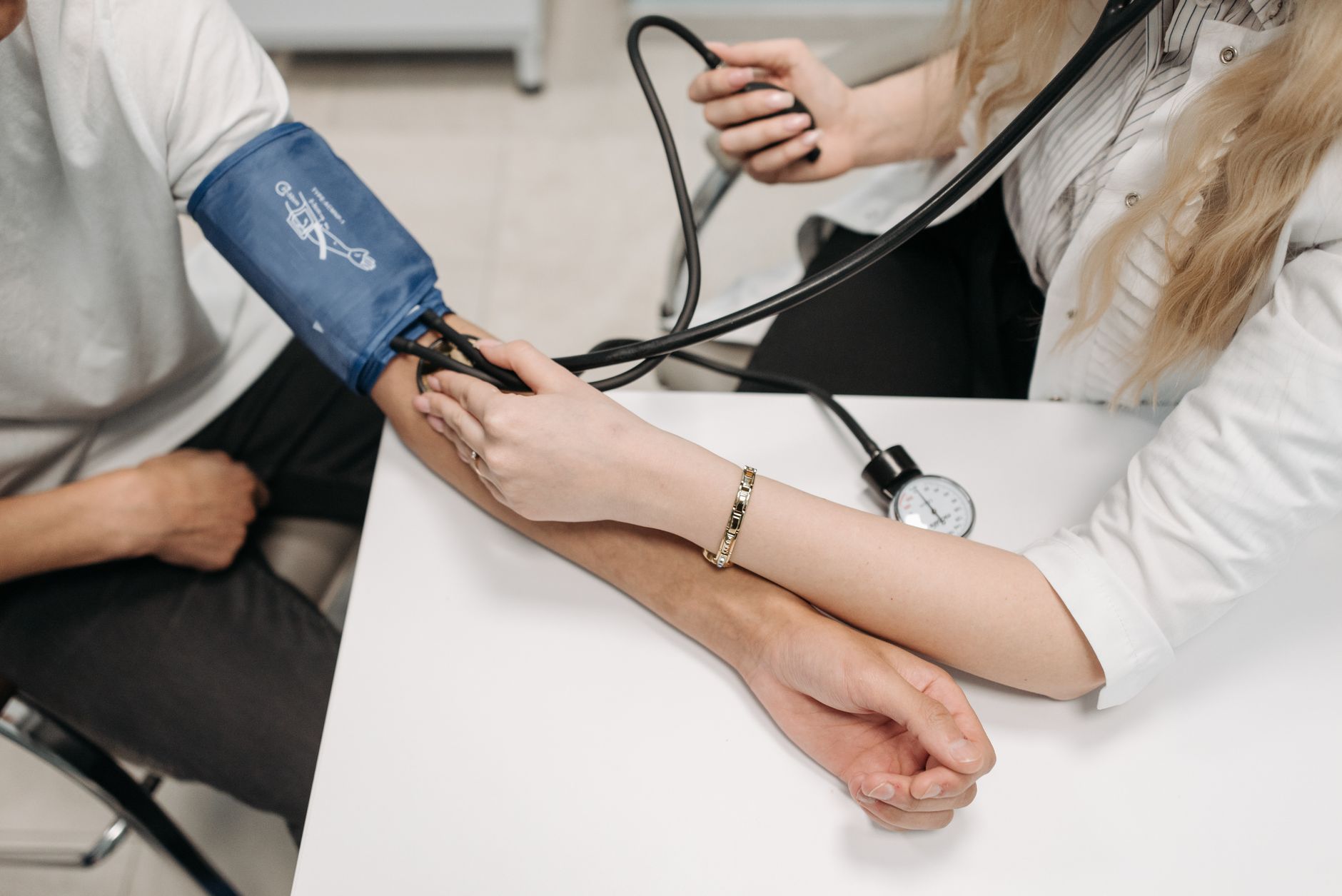
If you visit a cardiologist with breathlessness, they will ask you detailed questions about when it occurs, how long it has been there, and what makes it better or worse. They will also look for associated symptoms and past medical history.
Common investigations include:
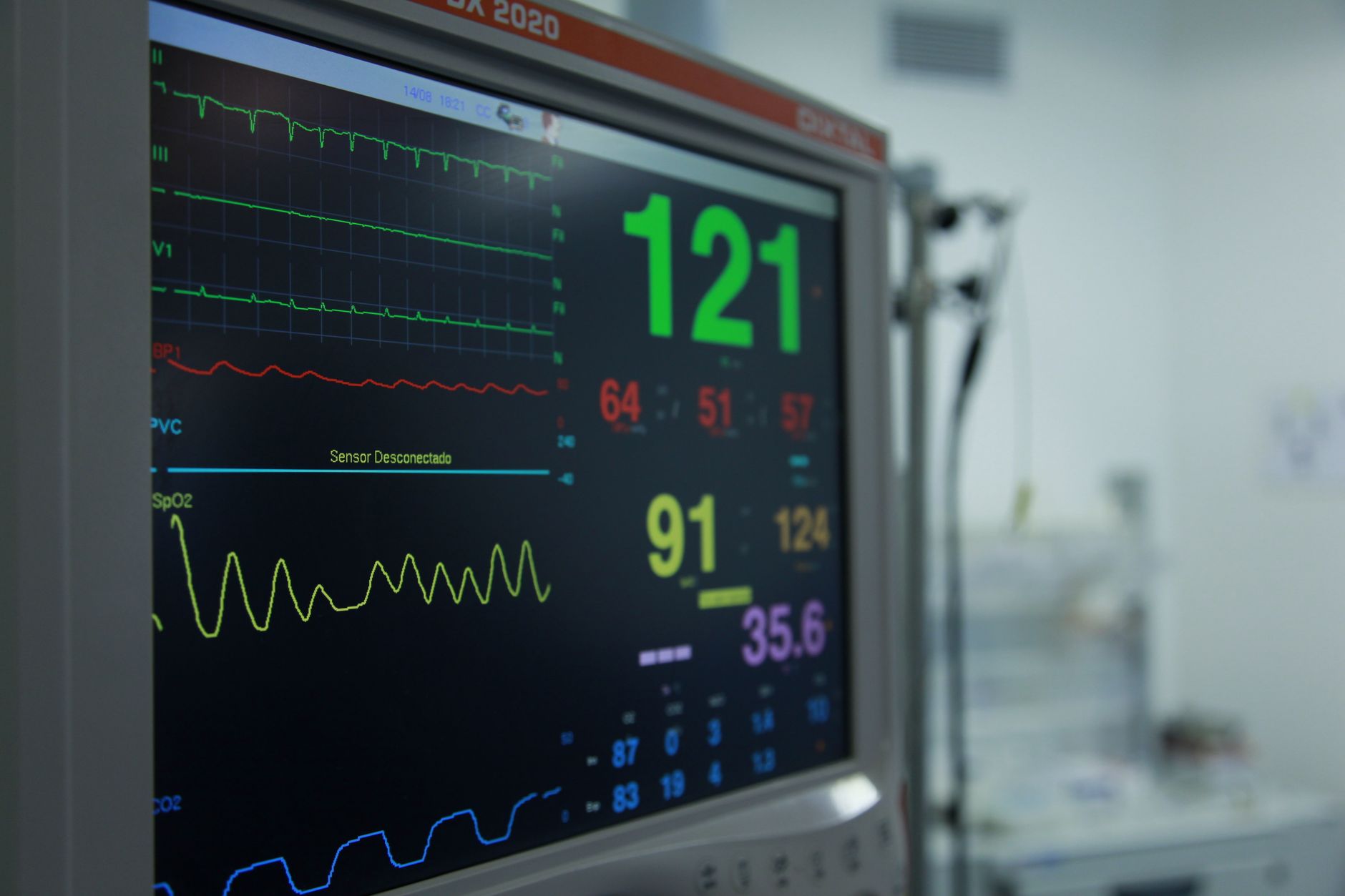
- ECG (Electrocardiogram): Records the heart's electrical activity. Quick, non-invasive, and done within minutes.
- Echocardiogram (Echo): An ultrasound of the heart. It shows how well the heart is pumping, the condition of valves, and any structural problems — all without radiation.
- Chest X-ray: Can show an enlarged heart or fluid in the lungs.
- Blood tests: Including BNP or NT-proBNP, a hormone released when the heart is under stress. Elevated levels strongly suggest heart failure.
- Stress test or TMT: Assesses how the heart performs during exercise.
- Coronary angiography: If blockages are suspected, this detailed imaging helps map the arteries.
What Can Be Done About It?
The reassuring news is that cardiac breathlessness is very treatable, especially when caught early. Treatment depends on the underlying cause:
- Medications can strengthen the heart's pumping action, reduce fluid build-up, control blood pressure, and regulate heart rhythm.
- Lifestyle changes — reducing salt intake, quitting smoking, managing weight, staying gently active — play a powerful supporting role.
- Procedures or intervention may be recommended for blocked arteries (such as angioplasty and stenting) or faulty valves. Interventional cardiology has advanced significantly, offering precise, minimally invasive options.
- Cardiac rehabilitation is a structured programme that helps patients safely rebuild stamina and confidence after a cardiac event.
The goal of treatment is not just to reduce breathlessness, but to restore quality of life — so you can walk, travel, and spend time with your family without constantly worrying about your breath.
Lifestyle Tips to Support a Healthy Heart
Small, consistent habits matter enormously. Whether you have already been diagnosed with a heart condition or simply want to protect your heart for the future, these steps help:
- Stay active, gently. A 20–30 minute walk most days of the week supports heart health. Listen to your body — if you feel breathless at rest, check with your doctor before starting exercise.
- Eat a heart-friendly diet. Favour vegetables, lentils, whole grains, and fruits. Limit fried foods, excess salt, and refined sugars — all of which are easy to overconsume in traditional Gujarati festive cooking.
- Manage your numbers. Know your blood pressure, blood sugar, and cholesterol. High blood pressure is sometimes called a "silent" contributor to heart failure.
- Do not ignore symptoms. In India, there is a tendency to wait and see. When it comes to cardiac symptoms like breathlessness, early action consistently leads to better outcomes.
- Avoid self-medicating. Some common pain relievers (NSAIDs) can worsen heart failure and fluid retention. Always check with your doctor.

Key Takeaways
- Breathlessness linked to a heart problem is caused by fluid build-up in the lungs when the heart cannot pump efficiently.
- Common cardiac causes include heart failure, coronary artery disease, valve problems, arrhythmias, and cardiomyopathy.
- Red-flag patterns include breathlessness at rest or with minimal activity, waking up breathless at night, needing multiple pillows to sleep, and swollen ankles.
- In people with diabetes, breathlessness may be the only sign of a heart attack — never ignore it.
- Cardiac breathlessness is diagnosed through ECG, echocardiogram, blood tests, and other investigations.
- Early diagnosis and treatment — including medications, lifestyle changes, and intervention where needed — can restore a good quality of life.
- Small, consistent lifestyle habits are a powerful tool for both prevention and management.
If you or someone you love is experiencing unexplained breathlessness — especially with any of the warning signs described above — please do not wait. Schedule a consultation with a qualified cardiologist to get a thorough evaluation and peace of mind.
Frequently asked questions
- Can breathlessness be the only symptom of a heart problem?
- Yes. In some people, especially those with diabetes or older adults, breathlessness can be the primary or even only symptom of a heart condition such as a heart attack or heart failure — without any chest pain. This is why breathlessness that is new, worsening, or out of proportion should always be evaluated by a doctor.
- How do I know if my breathlessness is from my heart or my lungs?
- It can be difficult to tell without medical tests. Cardiac breathlessness often worsens when lying flat, occurs with ankle swelling or palpitations, and improves when sitting upright. Lung-related breathlessness may come with a cough or wheeze. A cardiologist can use an ECG, echocardiogram, and blood tests to identify the cause accurately.
- Is cardiac breathlessness a permanent condition?
- Not necessarily. Many causes of cardiac breathlessness — such as heart failure, arrhythmias, or valve disease — respond well to treatment. With the right medications, lifestyle adjustments, and sometimes procedures, many patients see a significant improvement in their breathing and overall quality of life.
- When should I go to an emergency room for breathlessness?
- Seek emergency care immediately if breathlessness comes on suddenly and severely, is accompanied by chest pain or pressure, you feel faint or lose consciousness, your lips or fingertips turn bluish, or your symptoms are rapidly worsening. These could indicate a medical emergency requiring urgent attention.