What Is Wolff-Parkinson-White Syndrome?
Your heart runs on electricity. A tiny natural "spark" fires with each heartbeat, travelling along a carefully mapped pathway to keep your heart beating in a steady, organised rhythm. In most people, there is exactly one electrical highway for that signal to travel. But some people are born with an extra pathway — a short-circuit that was never meant to be there.
This is what happens in Wolff-Parkinson-White (WPW) syndrome. The extra connection — called an accessory pathway or Bundle of Kent — can allow electrical signals to loop back and forth between the upper and lower chambers of the heart, causing episodes of a very fast heartbeat. These episodes can feel alarming, but the good news is that WPW syndrome is well understood and very treatable.
WPW is not rare. It is estimated to affect roughly 1–3 in every 1,000 people. It is present from birth, though many people do not experience any symptoms until their teens, twenties, or even later in life.
Understanding the Extra Pathway
Think of the heart's electrical system as a road network. Normally, signals travel from the top chambers (atria) to the bottom chambers (ventricles) through a single controlled junction called the AV node. This junction acts like a traffic signal — it slows the impulse down just enough to let the heart fill with blood before it contracts.
In WPW syndrome, there is a second "bypass road" that skips this traffic signal entirely. Electrical impulses can race through this extra pathway faster than normal, arriving at the ventricles too early. Even more problematically, signals can start travelling in a loop — down one pathway and back up the other — creating a racing circuit that drives the heart rate very high, sometimes exceeding 150–250 beats per minute.
Wolff-Parkinson-White Syndrome Symptoms: What Does It Feel Like?
Recognising Wolff-Parkinson-White syndrome symptoms early is important, because symptoms vary widely from person to person. Some people have the extra pathway but never experience any episodes at all — this is called WPW pattern (without symptoms). Others have frequent, disruptive episodes.
Common symptoms include:
- Sudden palpitations — a rapid, fluttering, or pounding sensation in the chest that starts and stops abruptly
- A racing heartbeat (tachycardia) that can begin without any obvious trigger
- Dizziness or light-headedness during an episode
- Shortness of breath, particularly when the heart is beating very fast
- Chest discomfort or tightness
- Fatigue after an episode ends
- Near-fainting or fainting (syncope) in some cases
A key feature of WPW symptoms is how sudden they are. An episode (called supraventricular tachycardia or SVT) can start while a person is resting, eating, or even sleeping — not only during exercise. Episodes may last a few seconds, several minutes, or occasionally longer.
For example, a 28-year-old might notice her heart suddenly "jumping" to a very fast rate while sitting at her desk, feel dizzy for a few minutes, and then have the heart rhythm return to normal just as suddenly. This kind of pattern — sudden onset, sudden stop — is a classic hallmark of WPW-related SVT.
When to seek immediate care
If you experience chest pain, prolonged palpitations lasting more than 15–20 minutes, fainting, or difficulty breathing, please seek emergency medical attention promptly. In a small number of WPW cases — particularly those involving a condition called atrial fibrillation — very rapid conduction through the accessory pathway can be serious and needs urgent evaluation.
How Is WPW Syndrome Diagnosed?

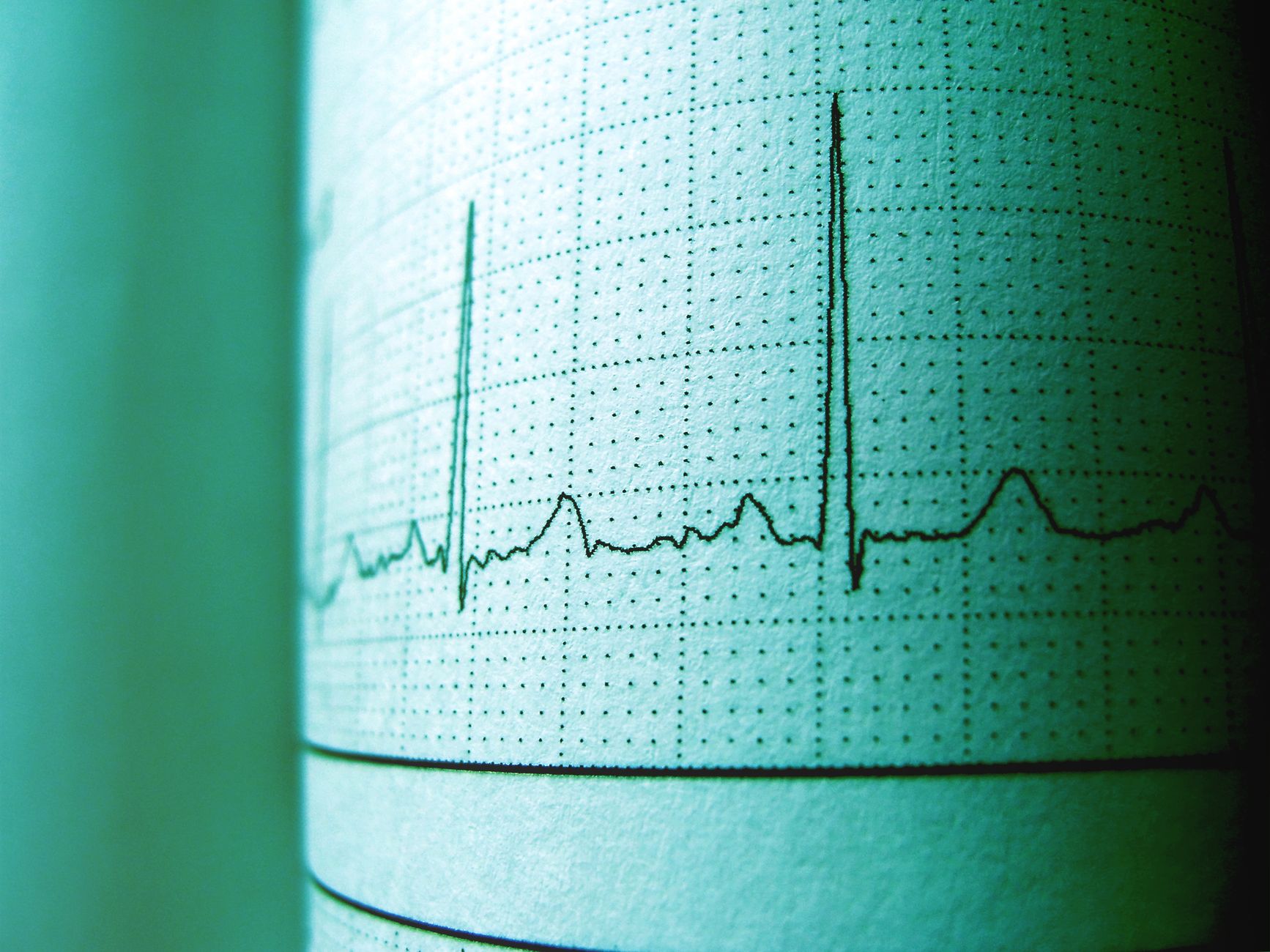
The most important diagnostic tool is a simple, non-invasive test: the 12-lead ECG (electrocardiogram). In people with WPW syndrome, the ECG shows a characteristic pattern:
- A shortened PR interval (the signal reaches the ventricles faster than normal)
- A delta wave — a slurred, sloping upswing at the start of the QRS complex, which represents early activation of the ventricles through the extra pathway
These two features together are highly recognisable to a trained cardiologist. In Rajkot and across Gujarat, many WPW cases are first identified when a routine ECG is performed during a health check-up or sports fitness evaluation — even in people who had no symptoms at all.
Additional tests your cardiologist may order:
- Holter monitor (24–48 hour ECG recording): Captures rhythm abnormalities during daily activities
- Exercise stress test: Assesses how the extra pathway behaves during physical activity
- Echocardiogram: To check for any structural heart issues alongside WPW
- Electrophysiology (EP) study: A specialised catheter-based test that maps the electrical pathways inside the heart in detail — this helps plan treatment
Who Is at Risk?
WPW syndrome is congenital — meaning it is present from birth. It is not caused by lifestyle choices, diet, or stress. Most cases occur in otherwise healthy individuals with no family history.
However, WPW is slightly more common in people with certain heart conditions such as Ebstein's anomaly (a structural heart defect) and hypertrophic cardiomyopathy. A small percentage of WPW cases do run in families due to a genetic mutation, so if a close family member is diagnosed, it is worth mentioning to your doctor.
WPW is diagnosed across all age groups — from infants to older adults — though the first recognised episode often occurs in young adults.
Treatment Options for WPW Syndrome
The right treatment depends on how often you have symptoms, how severe they are, and the results of your EP study. Your cardiologist will personalise the approach for you.
1. Observation (for those without symptoms)
If your WPW pattern is discovered incidentally on an ECG and you have never had an episode, your cardiologist may initially recommend careful monitoring. Regular follow-up and clear guidance on warning signs are essential.
2. Medications
Certain anti-arrhythmic medications can help reduce the frequency and duration of SVT episodes. However, medications manage symptoms rather than eliminating the extra pathway.
3. Vagal manoeuvres
During an SVT episode, simple techniques like the Valsalva manoeuvre (bearing down gently, like blowing into a closed fist) or splashing cold water on the face can sometimes slow the heart and break the racing circuit. Your cardiologist can teach you how to do these safely.
4. Catheter Ablation — the definitive treatment
For most people with symptomatic WPW, catheter ablation is the preferred long-term solution. In this procedure:
- Thin, flexible tubes (catheters) are guided through blood vessels (usually from the groin) to the inside of the heart
- The exact location of the accessory pathway is mapped using the EP study
- Targeted radiofrequency energy or cryotherapy is then applied to the extra pathway, permanently disrupting it
- The procedure typically takes 2–4 hours and is performed under sedation
Success rates for catheter ablation in WPW are consistently high, and recurrence rates are low. For many patients, ablation offers a long-term resolution of episodes without the need for ongoing medication.
Living Well With WPW Syndrome
Many people with WPW live full, active lives — including athletes and those in physically demanding professions. After successful treatment, most patients can return to normal activities within a short recovery period.
A few practical tips:
- Keep a symptom diary — note when episodes occur, how long they last, and any triggers you notice
- Avoid excessive caffeine and alcohol, which can sometimes provoke palpitations
- Inform your treating doctors about your WPW diagnosis before any new medications are prescribed, as some drugs can interact with the accessory pathway
- Attend regular cardiology follow-ups, especially if you are managing WPW without ablation
Key Takeaways
- WPW syndrome is caused by an extra electrical pathway present from birth, not by lifestyle or diet
- The most recognisable Wolff-Parkinson-White syndrome symptoms are sudden-onset palpitations, racing heartbeat, dizziness, and breathlessness
- A standard ECG can detect the WPW pattern; an EP study maps the pathway in detail
- Catheter ablation is a well-established, effective treatment that permanently disrupts the extra pathway in most cases
- Many people with WPW are completely symptom-free and only discover the condition incidentally
- Prompt evaluation by a cardiologist is important if you experience frequent or prolonged palpitations
If you or a family member has been experiencing sudden episodes of a racing heart, or if WPW has been spotted on a routine ECG, speaking with a qualified cardiologist is the most important next step. Dr. Nikhila Pachani's clinic in Rajkot offers comprehensive cardiac evaluation and interventional care — reach out to book a consultation and get the clarity and guidance you deserve.
Frequently asked questions
- What are the main symptoms of Wolff-Parkinson-White syndrome?
- The most common symptoms include sudden episodes of a very fast, racing heartbeat (palpitations), dizziness, shortness of breath, chest tightness, and fatigue. Episodes typically start and stop abruptly. Some people with WPW have the extra pathway but experience no symptoms at all.
- Is Wolff-Parkinson-White syndrome dangerous?
- For most people, WPW is manageable and not immediately life-threatening. However, in a small subset — particularly those who develop atrial fibrillation — the extra pathway can allow dangerously fast signals to reach the ventricles. This is why proper evaluation by a cardiologist is important, even if symptoms seem mild.
- Can WPW syndrome be permanently cured with catheter ablation?
- Catheter ablation has a consistently high success rate in eliminating the accessory pathway responsible for WPW. Most patients experience no further episodes after the procedure. Your cardiologist will assess whether ablation is appropriate based on your individual situation.
- How is Wolff-Parkinson-White syndrome diagnosed?
- WPW is most commonly detected on a standard 12-lead ECG, which shows characteristic changes including a shortened PR interval and a delta wave. Additional tests such as a Holter monitor, exercise stress test, echocardiogram, and electrophysiology (EP) study may be recommended to fully evaluate the condition and plan treatment.