The Heart Health Conversation Women Need to Have
When most people picture a heart attack, they imagine a man clutching his chest and collapsing dramatically. That picture, while not entirely wrong, has left millions of women dangerously under-informed. The truth is that women heart attack symptoms can look and feel very different — and because they are subtler, they are far too often dismissed as stress, acidity, or "just tiredness."
Heart disease is one of the leading causes of death in women globally, yet studies consistently show that women are less likely to be diagnosed quickly, less likely to receive timely treatment, and more likely to underestimate their own risk. Understanding what your heart is trying to tell you — in its own language — can genuinely save your life.
Why Women's Heart Symptoms Feel Different
The difference is not just cultural or psychological — it is biological.
Women tend to develop heart disease about 10 years later than men, partly because oestrogen offers a degree of cardiovascular protection before menopause. However, after menopause, that protection fades quickly, and the risk rises sharply.
Women are also more likely to have disease in the smaller blood vessels of the heart (a condition called microvascular disease or small-vessel disease), rather than in the large, main arteries. This means standard tests designed around male anatomy can sometimes miss the problem, and the symptoms themselves feel less "classic."
Hormonal factors, pregnancy-related conditions (like pre-eclampsia and gestational diabetes), and autoimmune conditions that are more common in women can all raise cardiovascular risk in ways that don't always show up on a standard risk calculator.
The Classic Symptom: Chest Pain (But Not Always What You Expect)
Yes, chest pain or discomfort is still the most common symptom of a heart attack in women — but the quality of that pain is often described differently.
- Men often describe a crushing, heavy pressure — like an elephant sitting on the chest.
- Women more often describe tightness, squeezing, pressure, or burning — sometimes mild enough to be mistaken for indigestion or reflux.
- The discomfort may come and go, which can make it feel less urgent.
- It may be felt more in the centre or upper chest, rather than the left side.
If you experience any chest discomfort that is new, unusual, or comes with exertion or stress — please do not wait it out. Take it seriously.

Symptoms Women Often Overlook
This is where the real difference lies. Women experiencing a heart attack — or warning signs of heart disease — frequently report symptoms that have nothing obviously to do with the chest.
Unusual Fatigue
This is one of the most commonly reported and most frequently ignored symptoms. It is not the tiredness of a busy day — it is an overwhelming, unexplained exhaustion that may last for days or even weeks before a cardiac event. A 55-year-old woman might, for example, find she is unable to carry out her usual household tasks without feeling wiped out, and attribute it to anaemia or poor sleep — when in fact her heart is under stress.
Shortness of Breath
Feeling breathless while climbing stairs, doing light housework, or even at rest — without any obvious lung problem — can be a warning sign. In women, this often occurs without chest pain, making it easy to attribute to weight, anxiety, or age.
Nausea, Vomiting, or Indigestion
Women are significantly more likely than men to experience nausea, stomach pain, or a feeling of fullness during a heart attack. Because these symptoms are so common in everyday life, they rarely trigger alarm. If these symptoms appear suddenly and are unusual for you — especially alongside other symptoms — they deserve prompt attention.
Jaw, Neck, Shoulder, or Back Pain
Pain that radiates to the jaw, neck, upper back, or left shoulder is a recognised cardiac symptom that women report more frequently than men. It can feel like a dental ache, a stiff neck, or a pulled muscle — and is often treated with a painkiller rather than a cardiac evaluation.
Cold Sweats and Dizziness
Breaking into a cold sweat for no clear reason, feeling lightheaded, or experiencing sudden dizziness — particularly alongside any of the above — may indicate that the heart is not pumping blood efficiently.
Risk Factors That Deserve Special Attention in Women
Some risk factors carry a heavier weight in women than they do in men, and knowing about them helps with early prevention.
- Diabetes – Women with diabetes have a significantly higher relative cardiac risk than men with diabetes.
- High blood pressure – Particularly important after menopause, when blood pressure often rises.
- Smoking – Women who smoke face a disproportionately higher cardiovascular risk compared to male smokers.
- Pregnancy complications – A history of pre-eclampsia, gestational hypertension, or gestational diabetes is now recognised as a long-term cardiac risk marker. If you have had any of these, make sure your cardiologist knows.
- Autoimmune conditions – Rheumatoid arthritis and lupus increase cardiovascular risk and are far more common in women.
- Emotional stress and depression – These affect heart health more significantly in women and are linked to a higher risk of future cardiac events.

What About "Silent" Heart Attacks?
A silent heart attack is one where there is little to no chest pain — and women are more prone to them. The event may be mistaken for fatigue, flu, or a pulled muscle, and may only be discovered later on an ECG or during a routine health check.
This is exactly why regular cardiac screening matters, especially for women over 40 or those with any of the risk factors mentioned above. In Rajkot, and across Gujarat, many women still do not receive timely cardiac evaluation — often because neither they nor those around them recognise the warning signs in time.
When Should You See a Cardiologist?
Seek emergency care immediately if you experience:
- Chest pain, tightness, or pressure lasting more than a few minutes
- Sudden severe shortness of breath
- Sudden cold sweat with nausea or dizziness
- Unexplained pain in the jaw, neck, back, or arm
Book a planned consultation if you have:
- Persistent, unexplained fatigue or breathlessness
- A history of pregnancy complications
- Multiple risk factors (diabetes, hypertension, smoking, family history)
- Reached menopause and not had a recent cardiac check-up
- A nagging feeling that "something is not right" with your heart
Trust your instincts. Women often sense that something is wrong before a test confirms it.

How Heart Disease in Women Is Evaluated
When you visit a cardiologist, the evaluation for women is thorough and takes your unique profile into account. Tests may include:
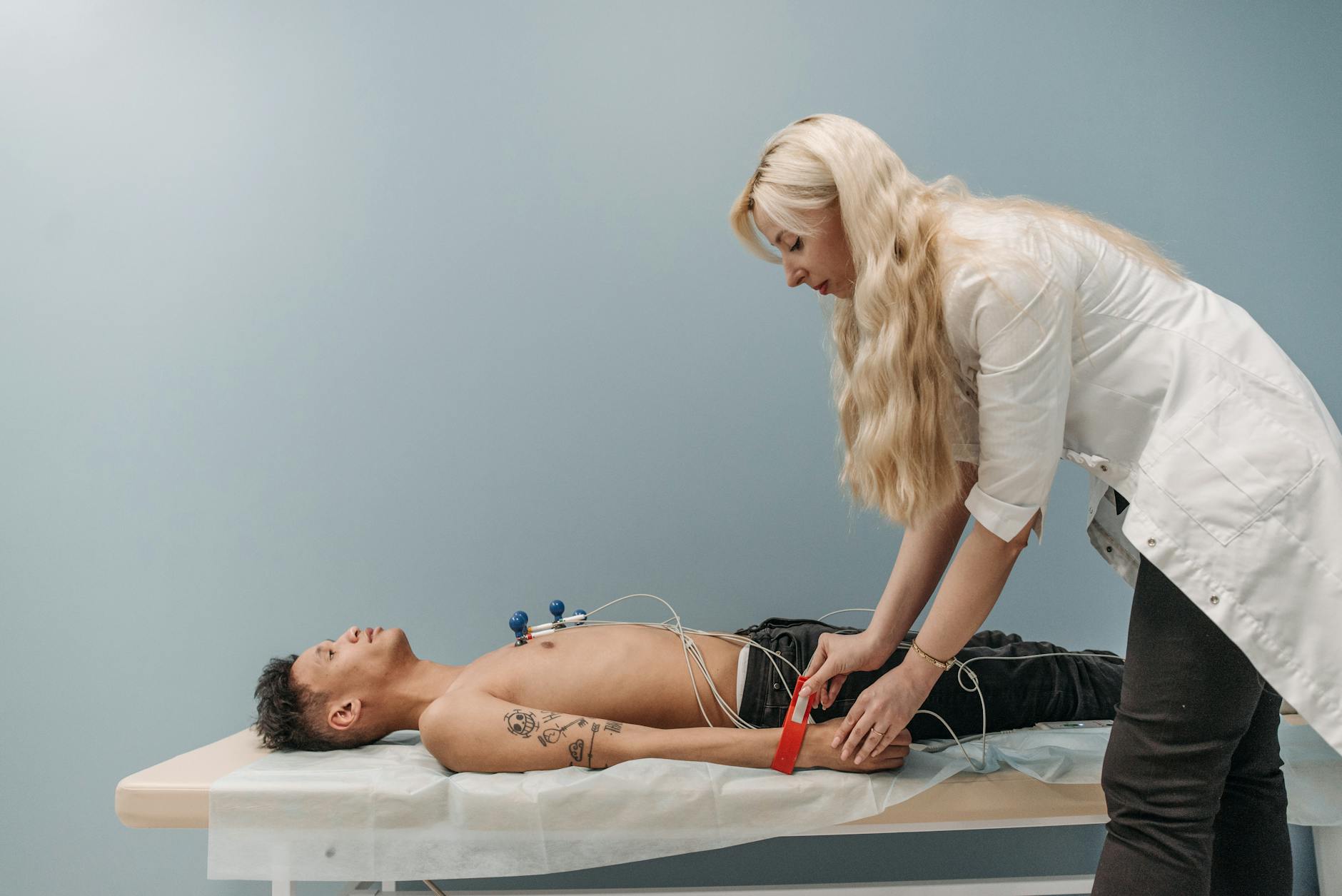
- ECG (Electrocardiogram) – A quick, non-invasive recording of your heart's electrical activity
- Echocardiogram – An ultrasound of the heart to check its structure and function
- Stress test – To see how your heart responds to exertion
- Blood tests – Including cholesterol, blood sugar, and cardiac markers
- CT coronary angiography – A non-invasive scan that can visualise the coronary arteries in detail
The approach is always tailored to your individual history, symptoms, and risk profile.
Key Takeaways
- Women heart attack symptoms are often subtle and different from the classic "elephant on the chest" description.
- Fatigue, breathlessness, nausea, jaw pain, and back pain are common cardiac symptoms in women that are frequently overlooked.
- Women are more likely to have small-vessel heart disease, which requires specific evaluation.
- Risk factors like diabetes, pregnancy complications, and autoimmune disease carry extra weight for women.
- Silent heart attacks are more common in women — regular screening is important.
- After menopause, cardiac risk rises significantly and warrants proactive check-ups.
- Trust your symptoms. If something feels unusual or persistent, get it checked.
Every woman's heart tells a unique story. If you have any concerns about your cardiac health — whether it's a new symptom, a family history, or simply peace of mind — consider booking a consultation with a qualified interventional cardiologist. Early evaluation is always worthwhile.
Frequently asked questions
- What are the most common women heart attack symptoms that are different from men?
- Women often experience symptoms such as unusual fatigue, shortness of breath, nausea, jaw or back pain, and cold sweats — rather than the classic crushing chest pain more commonly reported by men. Chest discomfort can still occur but is often described as tightness or burning rather than severe pressure.
- Can a woman have a heart attack without chest pain?
- Yes. Women are more likely than men to have a heart attack with little or no chest pain — sometimes called a 'silent' heart attack. Symptoms may include overwhelming tiredness, breathlessness, indigestion, or pain in the neck, jaw, or upper back. This is why it is important not to rule out a cardiac cause even when chest pain is absent.
- At what age should women start getting their heart health checked?
- Women with risk factors such as high blood pressure, diabetes, a family history of heart disease, or a history of pregnancy complications should consider a cardiac evaluation from their 30s or 40s. All women are generally advised to have a cardiovascular risk assessment from around age 40, and more frequently after menopause when the risk rises significantly.
- Does menopause increase a woman's risk of heart disease?
- Yes. Before menopause, oestrogen offers some degree of protection to the heart and blood vessels. After menopause, this protection diminishes and the risk of heart disease rises considerably. Blood pressure, cholesterol levels, and blood sugar can all change after menopause, making regular monitoring and a heart-healthy lifestyle especially important during this stage of life.