Device
Pacemaker Implantation
A small device that keeps a slow heart beating at the right rhythm.
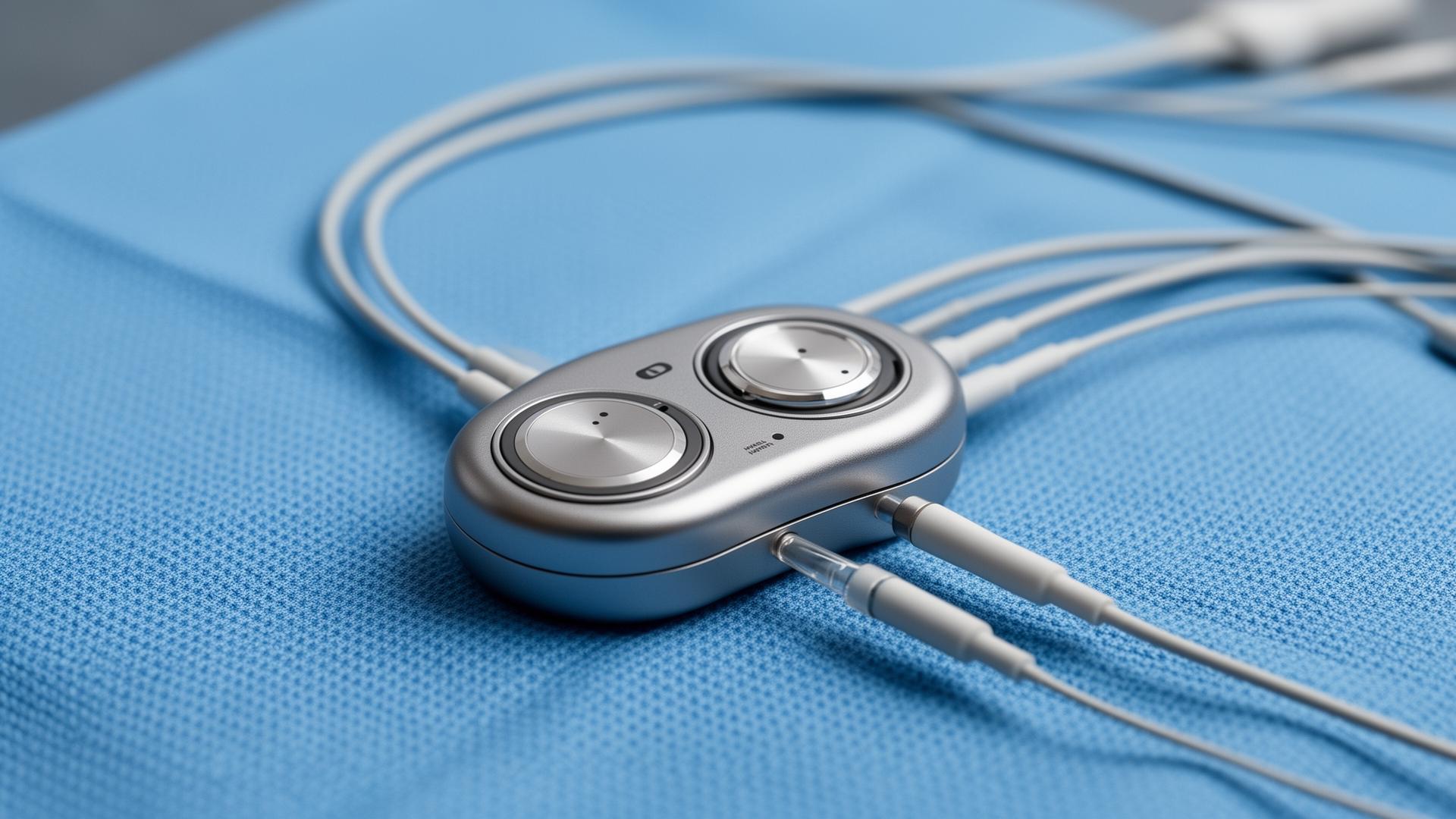
What it is
A pacemaker is a small battery-powered device placed under the skin near the collarbone. Thin wires (leads) go through a vein to the heart and deliver tiny electrical signals whenever the heart's own rhythm becomes too slow. Modern pacemakers are MRI-compatible and last 8–12 years on one battery.
When it's needed
- Symptomatic slow heart rate (bradycardia)
- Complete heart block
- Sick sinus syndrome
- Recurrent fainting (syncope) from heart-rhythm causes
How it's done
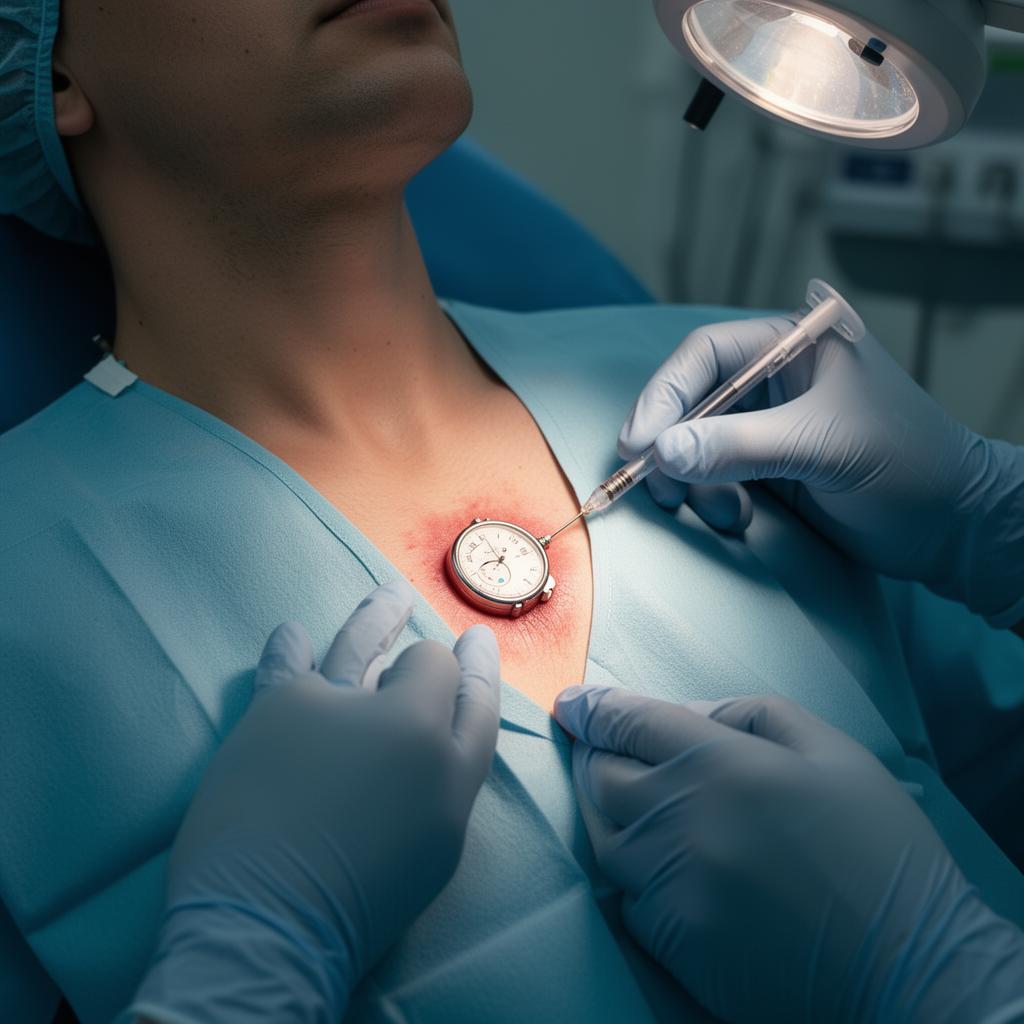
The procedure is done under local anaesthesia and mild sedation. A small cut (4–5 cm) is made below the collarbone, the leads are guided into the heart, and the pacemaker is connected and tested. It takes about 60–90 minutes.
Recovery
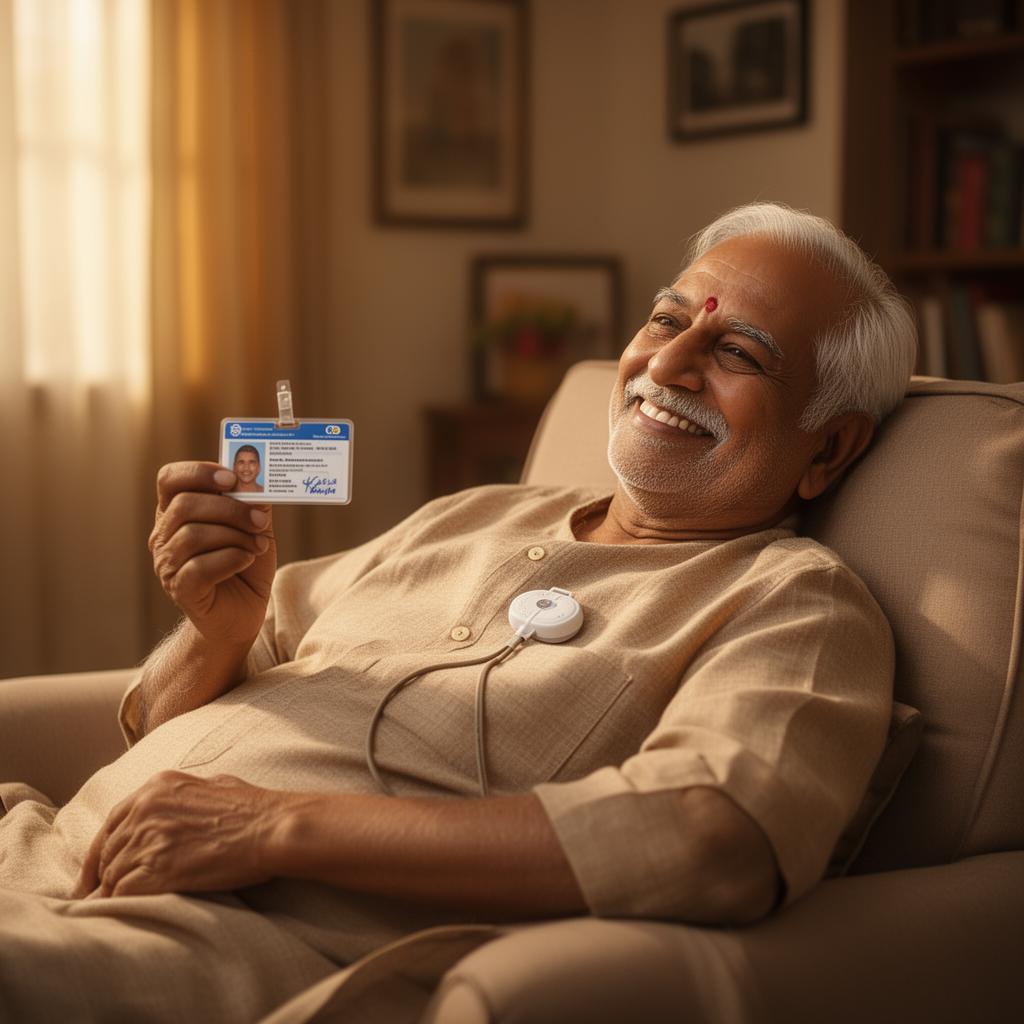
Most patients go home in 1–2 days. The arm on the side of the pacemaker should not be lifted above the shoulder for 4 weeks. Driving and routine office work resume in 1–2 weeks. Battery checks are done every 6–12 months.
FAQ
Questions patients ask us most
Will I feel the pacemaker?+
After the first few weeks, most people forget it is there. You may feel a small bump under the skin.
Can I use a mobile phone?+
Yes. Modern pacemakers are not affected by mobile phones, microwaves, or airport scanners. Carry your device ID card always.
Your Heart Deserves Senior Expertise.
Connect with the doctor's team directly — no forms, just a call.
Available 24×7 for cardiac emergencies